
RED S
in runners.Relative energy deficiency in sport: the signs, the link to stress fractures, and how our team helps you fuel, recover and run again.
What is RED SNot enough fuel.
Not enough for the body.
RED S (relative energy deficiency in sport, now also written REDs) is what happens when you don't eat enough to cover the energy your training uses. The body saves energy by turning down hormones, bone building, immunity and recovery. It affects women and men at every level, and it's one of the biggest risk factors for stress fractures in runners.
The gap between what you eat and what your training burns is called low energy availability. A short spell, like one heavy week, is something the body can adapt to. When it's prolonged or severe, it becomes a problem. It's often not deliberate: training goes up, life is busy, appetite drops after long runs, or carbohydrates get cut. The International Olympic Committee first described RED S in 2014 and updated it in 2023. It replaced the older idea of the "female athlete triad", because men are affected too and the effects go well beyond periods and bones.
RED S symptomsThe signs
runners miss.
The most common signs of RED S in runners are bone stress injuries, missed or irregular periods, low libido or fewer morning erections in men, ongoing tiredness, frequent illness, and training that stops improving. Early signs are vague and easy to put down to a big block, so they're often missed.
Bone injuries that keep coming
Stress reactions or fractures, especially more than one, or at the hip, pelvis or sacrum.
Missed or irregular periods
Periods stopping for three months or more, or cycles getting much longer, is not a normal part of training.
Low libido or fewer morning erections
The male equivalent of missed periods, from lower testosterone. Easy to ignore and rarely asked about.
Tired, sick and stale
Heavy legs, poor sleep, frequent colds, low mood or motivation, and times that stall or go backwards despite training hard.
Effects on health
- Reproductive function
- Bone health
- Gut function
- Energy metabolism
- Blood and iron
- Urinary incontinence
- Glucose and fat metabolism
- Mental health
- Concentration and coordination
- Sleep
- Heart and circulation
- Muscle function
- Growth and development
- Immunity
Effects on performance
- Endurance
- Power
- Muscle strength
- Training response
- Recovery
- Motivation
- Concentration and skill
- Time available to train
Based on the 2023 International Olympic Committee consensus statement on RED S (Mountjoy et al., Br J Sports Med 2024).
If food, weight or exercise feel out of control, talk to someone. In Australia, the Butterfly Foundation helpline is free and confidential on 1800 33 4673. In the UK, call Beat on 0808 801 0677. In an emergency call 000 (Australia) or 999 (UK).
RED S and stress fracturesLow fuel.
Weak bones.
RED S raises the risk of stress fractures because low energy availability lowers the hormones that build and protect bone, including oestrogen and testosterone. Bone is then slower to repair the damage from running. A runner with a stress fracture, especially a repeat one or one at the hip, pelvis or sacrum, should be checked for RED S.
Missed periods and runningLosing your period
isn't normal.
Missing periods because of training and under fuelling is called functional hypothalamic amenorrhea. The brain turns down the hormones that run the menstrual cycle to save energy.
It's common in runners, but it isn't a normal or harmless part of training: it lowers oestrogen, which weakens bone. If your periods have stopped for three months or more, see your GP. Hormonal contraception can hide the problem, because a withdrawal bleed isn't a natural period. Our women's health physios can help.
RED S in menMen get it
too.
Men get RED S too, and it's often missed because there's no period to lose.
Signs include lower libido, fewer morning erections, low testosterone, stress fractures, fatigue and stalled performance. It's common in male distance runners, cyclists and triathletes chasing a lighter race weight.
Female athlete triad vs RED SSame root.
Bigger picture.
The female athlete triad and RED S describe the same root problem: not enough energy for the training being done. The triad focuses on three things in women (low energy, menstrual problems and low bone density). RED S widened this in 2014 to include men and the effects on the whole body and on performance.
| Female athlete triad | RED S | |
|---|---|---|
| Who | Women | Women and men |
| Root cause | Low energy availability | Low energy availability |
| What it covers | Energy, periods, bone density | Hormones, bone, immunity, heart, gut, metabolism, mental health and performance |
| First described | 1990s | 2014 (International Olympic Committee), updated 2023 |
RED S treatmentFuel it.
Then build it.
RED S is treated by closing the energy gap: eating enough, at the right times, for the training you're doing, and sometimes training less for a while. Because it affects hormones, bone and mental health, it's best managed by a team. We treat the injury, adjust your training, and bring in sports doctors, dietitians and psychologists where needed.
Spot it
Questions on fuelling, training, periods or libido, sleep, mood and injury history, guided by the IOC's RED S screening and assessment tools.
Treat the injury
If you have a bone stress injury, we manage it with the right offloading, strength work and imaging.
Build the team
Referral to a sports doctor for blood tests and a bone density scan where needed, a sports dietitian for a fuelling plan, and a psychologist if food, weight or training feel hard to control.
Adjust training
Reduce load while energy and hormones recover, keep the strength work that protects bone, and plan fuelling around key sessions.
Return stronger
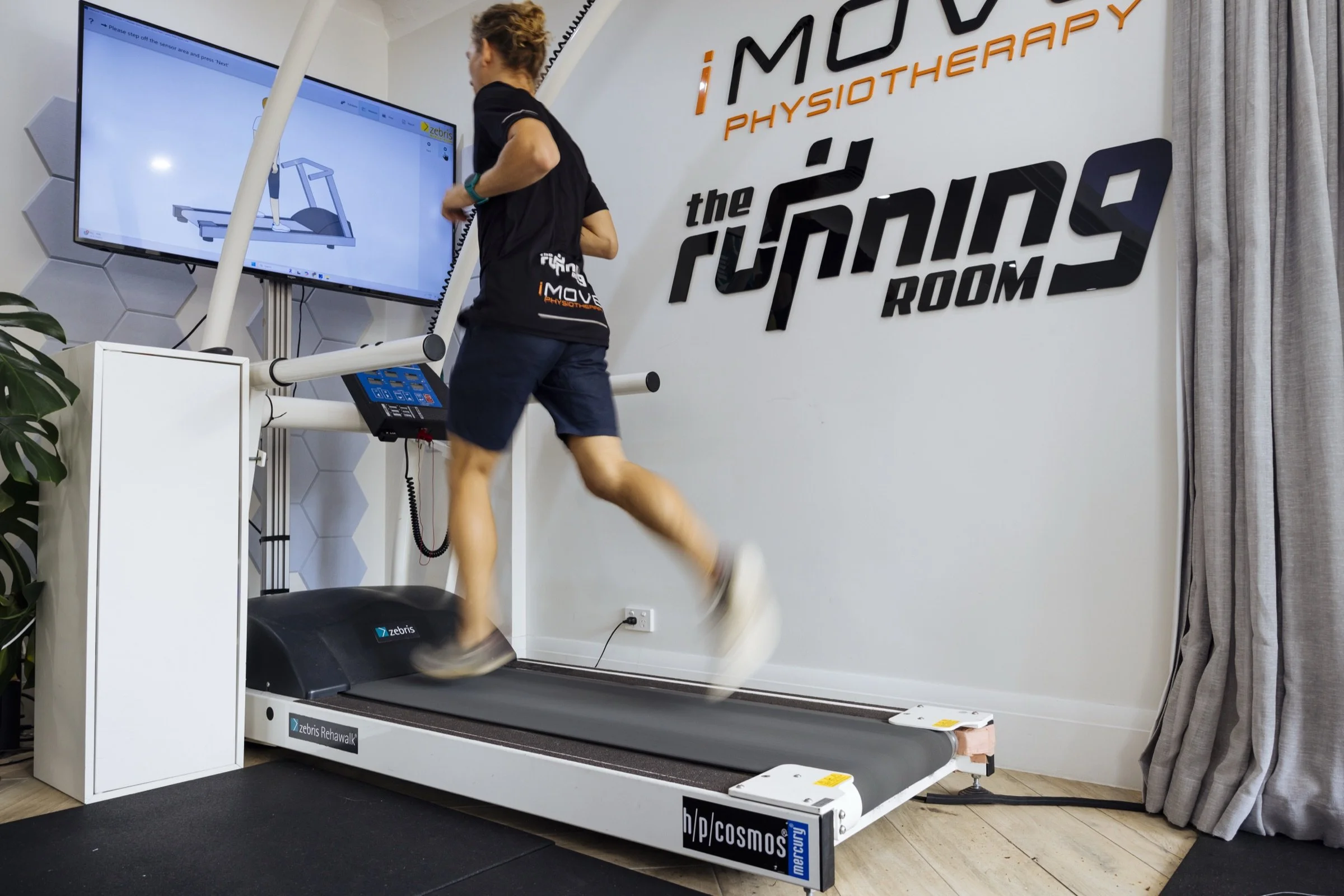
Progress running as energy, periods or libido, and bone health improve, with VALD strength testing and a Zebris treadmill gait check along the way.
RED S recovery timeHow long
to recover?
Recovery from RED S happens in stages. Energy, mood and training quality often improve within weeks of fuelling properly. Hormones and periods usually take months to return. Bone density is the slowest, rebuilding over months to years, which is why catching RED S early matters.
Energy, sleep and mood
Usually the first things to improve once intake matches training.
Hormones and periods
Periods and testosterone take longer to recover. Keep working with your GP.
Bone density
Bone rebuilds slowly, over months to years, so prevention and early action matter most.
Source: Mountjoy M, et al. 2023 International Olympic Committee's (IOC) consensus statement on Relative Energy Deficiency in Sport (REDs). Br J Sports Med 2024;57:1073 to 1098. doi:10.1136/bjsports-2023-106994
RED S support near youBook your
assessment.
No GP referral needed. We work with sports doctors and dietitians across our clinics. Private health insurance accepted at all Australian clinics.
RED S FAQsQuestions
answered.
What is the difference between RED S and REDs?
Nothing. They're the same condition. The International Olympic Committee changed the short name from RED S to REDs in its 2023 update to make it easier to say and share.
Can you have RED S without losing weight?
Yes. Many runners with RED S have a normal or stable weight. The body adapts to low energy by slowing down hormones, bone building and metabolism, so weight is not a reliable sign.
Is RED S an eating disorder?
Not necessarily. Many runners under fuel without meaning to, because training goes up or appetite drops. RED S can occur alongside disordered eating or an eating disorder, and if food, weight or exercise feel hard to control, a psychologist is an important part of the team.
How is RED S diagnosed?
There's no single test. A clinician looks at your history, symptoms, training and fuelling, blood tests (including hormones), and sometimes a bone density scan, often using the IOC's RED S assessment tool, and rules out other causes.
Can men get RED S?
Yes. Signs include low libido, fewer morning erections, low testosterone, stress fractures, fatigue and stalled performance. It's often missed in men because there's no period to lose.
Will my periods come back?
In most runners, yes, once energy intake matches training for long enough. It usually takes months. Work with your GP and a sports dietitian, and don't rely on hormonal contraception to restart them, because a withdrawal bleed isn't a natural period.
Fuel the work.
Run for years.
RED S is common, under recognised and treatable. Book a running physio assessment at your nearest clinic.
This page is general information and isn't a substitute for an individual assessment. If you're worried about your eating or your health, speak to your GP.